

Picture this: You’ve just moved to a new city and you’re craving the best local coffee shop. You Google “best coffee shop,” only to find results dominated by Starbucks and other big chains.
But what if you searched for a "cozy indie coffee shop with oat milk in Anaheim" instead? Instead of Starbucks, you’d probably find a small, family-run café just a few blocks away.
Ever wonder how that hidden gem made it to the top of your search results?
It’s not luck. It’s smart SEO. That café didn't try to compete with national chains for broad terms like "best coffee shop". Instead, they optimized for specific, low-competition keywords that match what real customers are searching for.
In this guide, you'll learn how to find low-competition keywords that help your content rank faster, attract better traffic, and stand out without needing a massive budget or authority.
If you're tired of targeting the same saturated terms as everyone else, these six steps will help you uncover high-value keyword opportunities. Even if you're just getting started, you can move up in rankings by focusing on topics where the competition is low but the demand is real.
Let’s explore how low-competition keywords can change your SEO strategy.
TL;DR
Learn how to find low-competition keywords in 6 steps to increase your SEO traffic without competing against big brands. Perfect for beginners and small teams.
- Why Does Ranking Higher Matter?
- What Are Low-Competition Keywords?
- Where Should You Use Low-Competition Keywords?
- How to Find Low-Competition Keywords in 6 Simple Steps
- Evaluating the Quality of Traffic
- Advanced Tips from a Digital Marketing Agency for Pro Marketers
- Key Takeaways for Finding Low-Competition Keywords
- Frequently Asked Questions (FAQ)
- What does a low competition keyword mean?
- Why should I target low competition keywords for SEO?
- Where should I use low competition keywords on my website?
- How do I find low competition keywords?
- What tools can help identify low competition keywords?
- How do I know if the traffic I get is high quality?
- Are long tail keywords important for low competition SEO?
Why Does Ranking Higher Matter?
Most people only click the first few search results they see. If your website doesn’t appear near the top, chances are no one will find it.
Achieving higher rankings, often with the support of an expert digital marketing agency, means more people visit your site, engage with your content, and take desired actions like making a purchase or subscribing.
That’s why choosing the right keywords, especially low-competition keywords, is critical. Ranking for these terms gets your content in front of motivated searchers faster.
For businesses, especially growing e-commerce brands, an experienced ecommerce marketing agency can help identify and target low-competition keywords, enabling you to climb rankings efficiently even with limited resources.
What Are Low-Competition Keywords?
Low-competition keywords give you a faster, easier way to rank without competing against massive websites. They often align with long-tail keywords, which make up over 70% of all searches and reflect specific user intent—meaning the people searching are looking for exact answers, products, or solutions. Low-competition keywords are also called low-difficulty or easy-to-rank keywords because fewer websites are targeting them.
See the difference:
| Broad Keywords | Specific Keywords |
| "healthy snacks" "best running shoes" "meal prep ideas" | "low-calorie snacks for office workers" "best cushioned running shoes for bad knees" "easy meal prep ideas for beginners on a budget |
The broader terms in the left column are flooded with competition, making it nearly impossible to rank for, unless you have a huge domain authority.
But specific, niche keywords—like the ones in the right column—give you a unique opportunity to stand out. Instead of competing with big brands for broad terms, you focus on highly specific search phrases that bring in people who are ready to take action. They may not have massive search volumes, but that’s exactly what makes them valuable—fewer websites are targeting them, making it easier to rank, get noticed, and attract high-intent visitors, a key strategy for any effective digital marketing agency.
Mastering these keywords means knowing how to find and use the exact low-difficulty keywords your ideal audience is searching for, ultimately helping you rank higher, drive meaningful traffic, and convert visitors into loyal customers—a critical objective for an ecommerce marketing agency.
Where Should You Use Low-Competition Keywords?
To get the most out of these keywords, you need to use them in the right places. Here's where they work best:
- Blog Posts: Write articles that answer specific questions or solve problems, a key strategy a proficient digital marketing agency can help you master for maximum impact.
- Example: A blog titled "10 Low-Calorie Snacks for Busy Office Workers" could attract people searching for that exact topic.
- Product Pages: For e-commerce brands, an expert ecommerce marketing agency can help optimize product descriptions with specific keywords to drive conversions and sales.
- Example: Instead of "organic tea," use "organic caffeine-free tea for better sleep."
- Meta Titles and Descriptions: Include keywords here to help search engines understand your content.
- Example: Meta title: "Low-Calorie Office Snacks – Healthy and Delicious!"
- FAQs: Create sections that directly answer common questions related to these keywords.
- Example: "What are the best low-calorie snacks for work?"
- Including these keywords in FAQ sections can also increase your visibility in featured snippets and AI-generated search answers.
Tip: Use FAQ schema to mark up question-based content. This helps search engines and AI tools surface your answers directly in results.
How to Find Low-Competition Keywords in 6 Simple Steps
SEO isn't just about ranking—it's about ranking where it matters. You could spend months trying to climb the search results for a broad keyword like "ginger cookies" only to be buried under tons of recipes for homemade ginger cookies. Or, you could find a highly specific, low-competition keyword like "gluten-free ginger cookies bakery" and land on page one much faster.

That's the power of data-driven keyword research. It's not about chasing the most popular terms—it's about finding the right opportunities for your brand and products.
In this section, we'll walk you through a step-by-step process to uncover low-competition keywords that can drive meaningful traffic to your site. Whether you're starting from scratch or refining your existing strategy, these techniques will help you identify hidden keyword opportunities, rank higher, and attract visitors who are ready to engage. A skilled digital marketing agency often leverages these exact methods for client success.
Here’s a quick overview of the steps:
- Start with broad topics
- Use keyword tools
- Analyze search intent
- Explore communities
- Look at competitor gaps
- Check long-tail variations
Step 1: Start with Broad Topics
Begin by brainstorming general themes related to your industry or niche. Then, break these topics down into smaller, more specific areas that cater to particular needs.
For example, start with "healthy eating" as your broad topic. Narrow it down to "vegan protein snacks for kids" to target a more focused audience. This approach helps you uncover areas with less competition and connect with a highly engaged audience.
Tip: Use tools like Google Trends, AnswerThePublic, or Keyword.io to explore trending topics and see how their popularity has changed over time. This helps you identify growing interests in your niche.
Step 2: Use Keyword Research Tools
For any successful digital marketing agency, keyword research tools are invaluable for identifying low-competition keywords that drive measurable growth. These tools provide data such as search volume (how many people are searching for that keyword), keyword difficulty (how hard it is to rank for that keyword), and related terms. Here are some free and paid tools we love:
- Free Tools:
- Google Keyword Planner: A great starting point for exploring basic keyword ideas and search volume.
- Ubersuggest: Provides information on SEO difficulty, related keywords, and traffic estimates.
- Paid Tools:
Advantages of Paid Tools:
- Comprehensive Data: They give you detailed insights like search volume, competition, CPC, and trends—all in one place.
- Advanced Features: You gain access to powerful tools like competitor analysis, keyword difficulty scores, and content gap analysis to stay ahead.
- Customization: Need something specific? These tools let you filter and segment keywords for your exact audience or region.
- Time-Saving: Analyze keywords in bulk and get automated suggestions, speeding up your research process.
- Seamless Integration: Many tools sync with other marketing platforms, which is vital for any effective digital marketing agency to track and optimize your campaigns efficiently.
Tip: Look for keywords with a Keyword Difficulty score below 30. These are easier to rank for and ideal for smaller websites or new businesses.
Example using Ahrefs:
When you look up the long tail keyword, 'healthy snacks for kids,' Ahrefs gives you four key metrics: Keyword Difficulty, Search Volume, Traffic Potential, and Global Search Volume, as illustrated in the following screenshot:
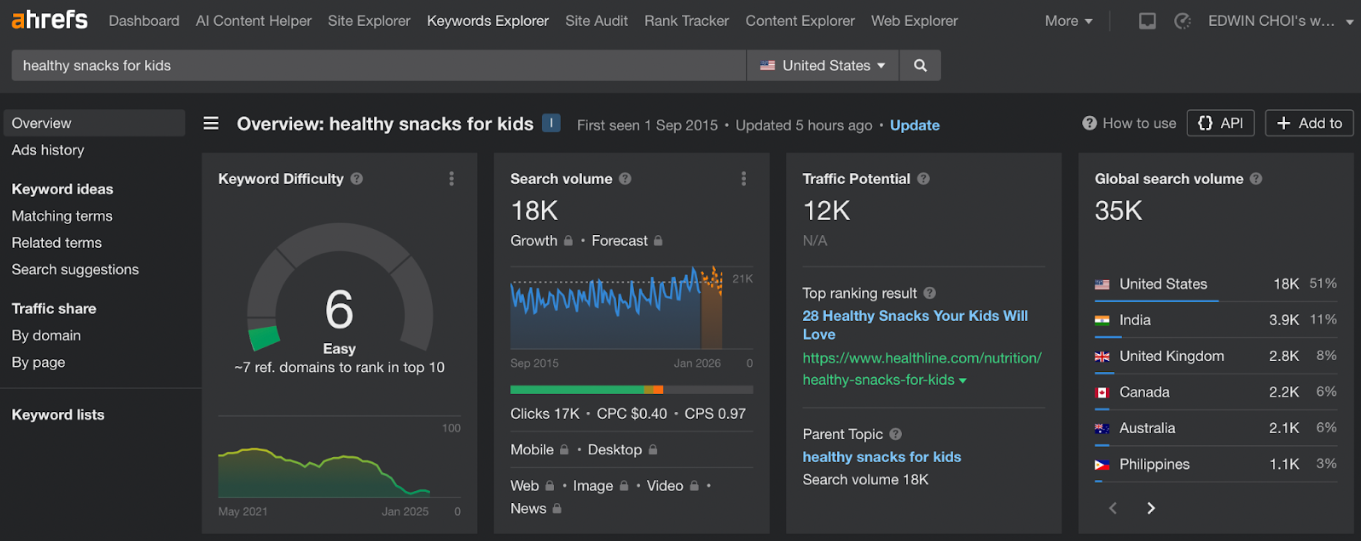
All of these metrics provide valuable insights into how easy it is to rank and the potential reach of a keyword. Here’s how these metrics help evaluate the effectiveness of targeting “healthy snacks for kids.”
- Keyword Difficulty (KD):
- Value: 6 (Easy)
- Analysis: This indicates that ranking in the top 10 search results for "healthy snacks for kids" is relatively simple and requires backlinks from only about 7 referring domains. It's a low-competition keyword, making it a great target for content creators with less authority.
- Search Volume (U.S.):
- Value: 18,000 monthly searches
- Analysis: This shows the popularity of the keyword in the United States. With consistent growth in search trends (as shown in the graph), it's clear this topic resonates with users. This makes it a valuable keyword for generating traffic.
- Traffic Potential:
- Value: 12,000 (estimated visits)
- Analysis: This metric estimates the organic traffic the keyword can bring if ranked highly. A traffic potential of 12K suggests that content targeting this keyword has the potential to attract a significant audience.
- Global Search Volume:
- Value: 35,000 monthly searches
- Analysis: While the U.S. accounts for 51% of searches, countries like India (11%) and the UK (8%) also contribute. This global interest suggests an opportunity to localize or expand the content to cater to different regions.
By understanding these metrics, you can determine whether a keyword is both achievable and worth pursuing—ensuring you focus on terms that balance low competition with strong traffic potential.
So, we can conclude that "healthy snacks for kids" is a low-competition, high-traffic keyword with consistent growth.
Step 3: Analyze Search Intent
Understanding why someone searches for a keyword is just as important as the keyword itself. Match your content to the intent behind the search to attract the right visitors.
Types of Intent:
- Informational: Users are seeking answers or knowledge.
- Example: "What are the benefits of almond milk?"
- Navigational: Users want to find specific brands or websites.
- Example: "Best almond milk brands."
- Transactional: Users are ready to take action, like buying or signing up.
- Example: "Buy unsweetened almond milk online."
Tip: Focus on keywords with transactional intent to drive conversions, as these users are closer to making a decision.
Why It Matters: Aligning your content with search intent ensures you attract visitors who are more likely to engage with your content or products.
Step 4: Explore Forums and Communities
Platforms like Reddit, Quora, and niche forums offer rich sources of keyword ideas, a key strategy for any effective digital marketing agency.
- How to Find Ideas: Look for repeated questions, common problems, or trending topics in forums relevant to your industry.
- What is a Niche Forum?: A niche forum is an online community dedicated to a specific topic, interest, or industry. These forums attract a highly targeted audience, making them ideal for uncovering specialized keyword opportunities.
- Example of a Niche Forum: The Stack Overflow forum is a niche platform for programmers and developers to discuss coding challenges, tools, and techniques. If your industry is software development, you might find questions like, "What are the best practices for optimizing Python code?"
Tip: Use these platforms to discover gaps in existing content. If people are asking the same questions repeatedly, it means there's an opportunity to create content that answers them.
Why It Matters: These insights empower you to create highly relevant, performance-optimized content that addresses your audience's needs and seizes untapped keyword opportunities, driving measurable growth.
Step 5: Utilize Competitor Gaps
Competitor analysis is a goldmine for uncovering keyword inspiration. Tools like Ahrefs and SEMrush let you analyze the keywords they rank for that you haven't targeted yet.
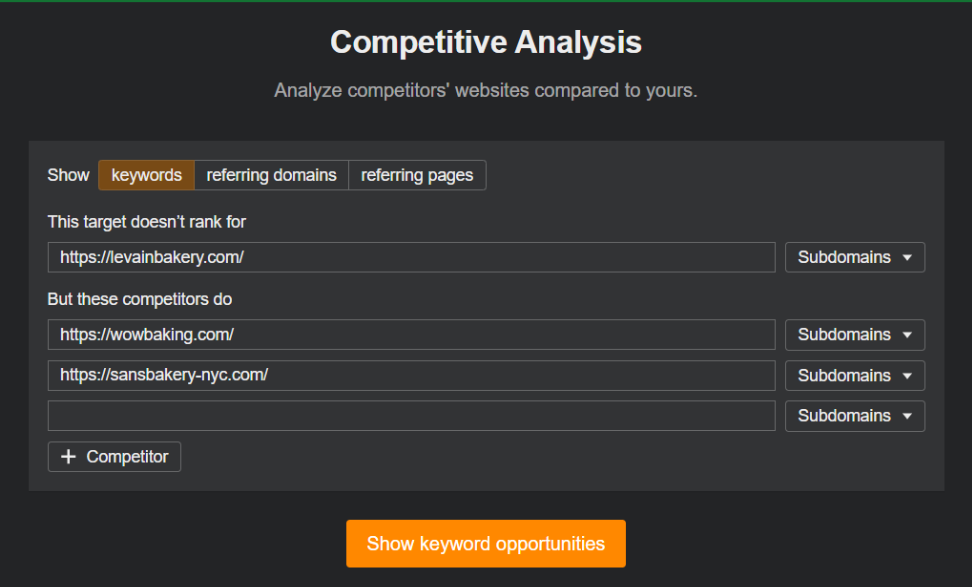
Here's how you can utilize Ahrefs for Competitive Analysis. Simply type your domain and the competitors domains you want to find keyword opportunities from, like shown in this screenshot:
What to Look For:
- Keywords with low difficulty but high traffic potential.
- Example: If a competitor ranks for "best gluten-free cookies," and you notice it's a high-performing but low-competition keyword, consider creating content around this topic.
Tip: Pay attention to their content structure and headlines to understand how they're attracting traffic, then improve on their approach to stand out.
Why It Matters: By finding and targeting gaps in your competitors' strategies, you can position yourself to attract their audience.
Step 6: Check Long-Tail Keywords
Long-tail keywords are longer, more specific phrases, often less competitive yet highly effective for attracting deeply engaged users—a key strategy for any successful ecommerce marketing agency looking to capture niche intent.
- Example: Instead of "healthy drinks," try targeting "best healthy drinks for post-workout recovery." This phrase speaks directly to a niche audience with a specific need.
- How to Find Them: Use tools like Google's 'Keyword Ideas', 'People Also Ask', autocomplete suggestions, or AnswerThePublic to identify questions and phrases users are searching for.
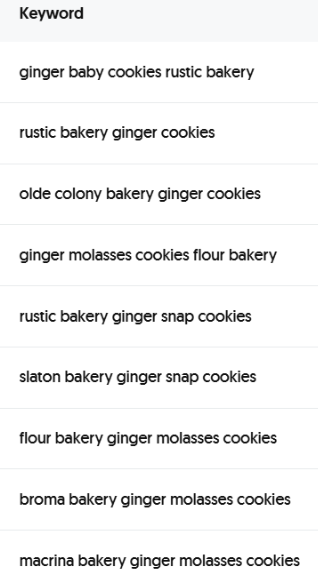
Tip: Create blog posts, product descriptions, or FAQs that include these long-tail keywords. They work especially well for addressing detailed questions and driving conversions.
Why It Matters: Long-tail keywords help you rank for highly specific searches, bringing in users who are more likely to take action.
Evaluating the Quality of Traffic
Driving traffic to your website is only half the battle—the real challenge is ensuring that traffic delivers results. Not all visitors are equal, and a high volume of unqualified traffic won't translate into conversions, engagement, or long-term growth.
Evaluating the quality of your traffic helps you understand who is visiting, how they interact with your content, and whether they align with your business goals. By regularly analyzing key metrics, you can refine your SEO strategy, improve user experience, and focus on attracting performance-optimized visitors who are more likely to convert. This section details how to assess traffic quality, which key metrics to track, and the tools that facilitate data-driven decisions for continuous optimization.
What Makes Traffic "High-Quality"?
High-quality traffic comes from users who engage deeply with your content, spend time on your site, and are likely to convert. Attracting visitors is one thing, but attracting the right visitors—like shoppers actively searching for 'low-calorie protein bars for athletes'—is the ultimate goal in industries like food & beverage or e-commerce, where conversions and customer loyalty drive success.
When and How to Analyze Your Traffic?
Analyzing your website traffic is not a one-time task; it's an ongoing, critical process for sustained growth. Regular reviews help you understand how users interact with your content and assess whether your strategies are working. Here's a strategic approach:
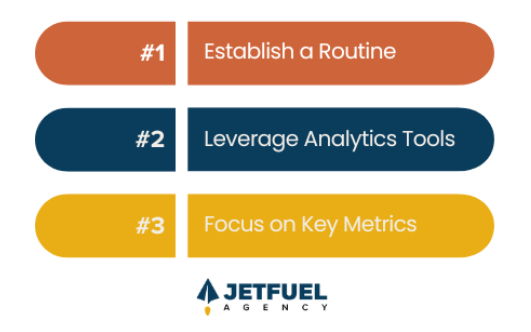
- Establish a Routine:
- Review your traffic metrics at least once a month to identify trends and opportunities for improvement.
- During key campaigns or after major content updates, track traffic to evaluate how changes affect engagement.
- Leverage Analytics Tools:
- Use platforms like Google Analytics to set up weekly or monthly reports.
- Automate tracking to monitor key metrics over time with minimal manual effort.
- Focus on Key Metrics:
- Dive into specific data points such as bounce rate, session duration, traffic sources, and conversion rates to evaluate performance.
This structured approach ensures your traffic analysis is actionable, helping you make data-driven adjustments for continuous improvement.
Key Metrics to Track:
- Bounce Rate: A low bounce rate suggests users find your content relevant and engaging.
- Average Time on Page: Higher time indicates deeper engagement with your content.
- Conversion Rate: A high conversion rate indicates your marketing efforts are effectively turning visitors into customers, driving measurable growth.
- Pages Per Session: Higher numbers suggest better user experience and content relevance.
- Traffic Source Quality: Identify which sources (organic, social, referral) drive the most engaged traffic.
Tools to Evaluate Traffic Quality:
- Google Analytics: Monitor traffic sources, user behavior, and conversion paths.
- Heatmaps: Visualize how users interact with your site to optimize for engagement.
Advanced Tips from a Digital Marketing Agency for Pro Marketers
1. Use Seasonal Keywords
Targeting keywords tied to specific seasons can help you drive traffic when demand peaks.
Example: Write content like "Healthy Christmas cookie recipes" during the holiday season.
2. Stay Ahead of New Trends
Spot emerging trends early to rank for them before they become competitive. Use tools like Google Trends or Exploding Topics to stay ahead.
Example: If plant-based diets are gaining popularity, create content like "Best plant-based protein for athletes."
3. Organize Your Content with Pillar Pages
Create a pillar page on a broad topic (e.g., "Healthy Eating Guide") and link it to cluster articles covering niche subtopics (e.g., "Low-Calorie Snacks" or "Plant-Based Protein Sources"). This helps facilitate SEO and strengthens user experience.
Here is how you can create a Pillar-Cluster Model in five steps:
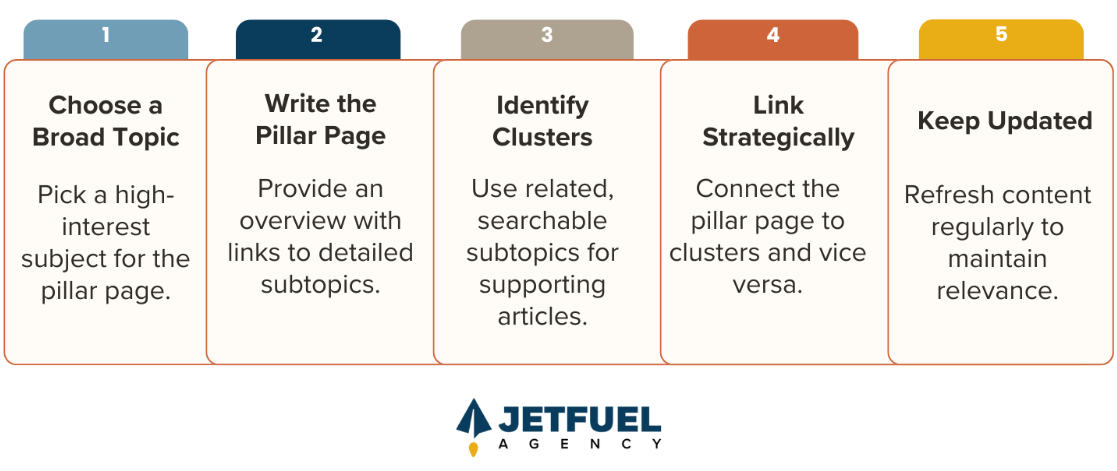
This strategy organizes content effectively, improves rankings, and keeps users engaged.
Key Takeaways for Finding Low-Competition Keywords
Low-competition keywords offer a clear path to high-quality traffic, even for smaller brands. By targeting specific niches, you can rank higher, attract more engaged visitors, and drive meaningful results.
- Narrow Your Focus: Start with broad topics and refine them into niche areas that address specific needs.
- Use Tools Wisely: Leverage free and paid keyword research tools to uncover low-competition, high-value keywords.
- Analyze Search Intent: Match your content to what your audience is looking for—whether it's answers, brands, or products.
- Tap Into Forums and Competitor Gaps: Explore niche communities and analyze competitors to discover untapped opportunities.
- Leverage Long-Tail Keywords: Target detailed, specific phrases to attract engaged users ready to convert.
- Optimize Strategically: Use keywords in blog posts, meta titles, product pages, and FAQs for maximum impact.
Ready to get started? Use the steps above to find your first set of low-competition keywords and start optimizing your content today. Share your keyword research insights with us!
This blog post was written by our talented intern, Zoe Want. Zoe is a BA Economics, Data Science, and Business student at Gettysburg College, graduating in 2025. As an intern at jetfuel.agency, she aimed to expand her knowledge of SEO and learn the ins and outs of working at a leading digital marketing agency.
Frequently Asked Questions (FAQ)
What does a low competition keyword mean?
A low competition keyword is a search term that fewer websites are actively targeting, which makes it easier to rank in search results. These keywords are often longer or more specific and reflect clearer user intent, helping attract the right audience without competing directly with large, established brands.
Why should I target low competition keywords for SEO?
Low competition keywords allow smaller or growing websites to rank faster, generate high quality organic traffic, and improve conversion potential. They help you focus on users who are actively searching for specific solutions rather than broad, highly competitive topics.
Where should I use low competition keywords on my website?
Low competition keywords should be used strategically across:
- Blog posts that answer specific questions
- Product or service pages with focused intent
- Meta titles and meta descriptions
- FAQ sections that address common user concerns
This helps search engines understand relevance while improving visibility for targeted searches.
How do I find low competition keywords?
You can identify low competition keywords by:
- Starting with a broad topic and narrowing into specific problems or questions
- Using keyword research tools to analyze difficulty and search volume
- Reviewing forums, Reddit threads, and community discussions to find real user language
- Identifying keyword gaps your competitors are not addressing
- Focusing on long tail keyword variations with clear intent
What tools can help identify low competition keywords?
Popular keyword research tools include Google Keyword Planner, Ubersuggest, Ahrefs, SEMrush, and AnswerThePublic. These platforms provide insights into keyword difficulty, search volume, and related queries to help you prioritize achievable opportunities.
How do I know if the traffic I get is high quality?
High quality traffic typically shows strong engagement signals such as longer time on page, multiple page views, and meaningful conversions. Tracking metrics like bounce rate, session duration, and conversion rate helps determine whether your SEO efforts are attracting the right audience.
Are long tail keywords important for low competition SEO?
Yes. Long tail keywords are more specific and usually less competitive. They align closely with user intent, which improves ranking potential and increases the likelihood of converting visitors into leads or customers.